


FDA Panel Votes To Ease Restrictions on 6 Peptides—But Experts Still Have Major Concerns
FDA Panel Votes To Ease Restrictions on 6 Peptides—But Experts Still Have Major Concerns

Jenna AndersonMon, July 27, 2026 at 5:38 PM UTC
0
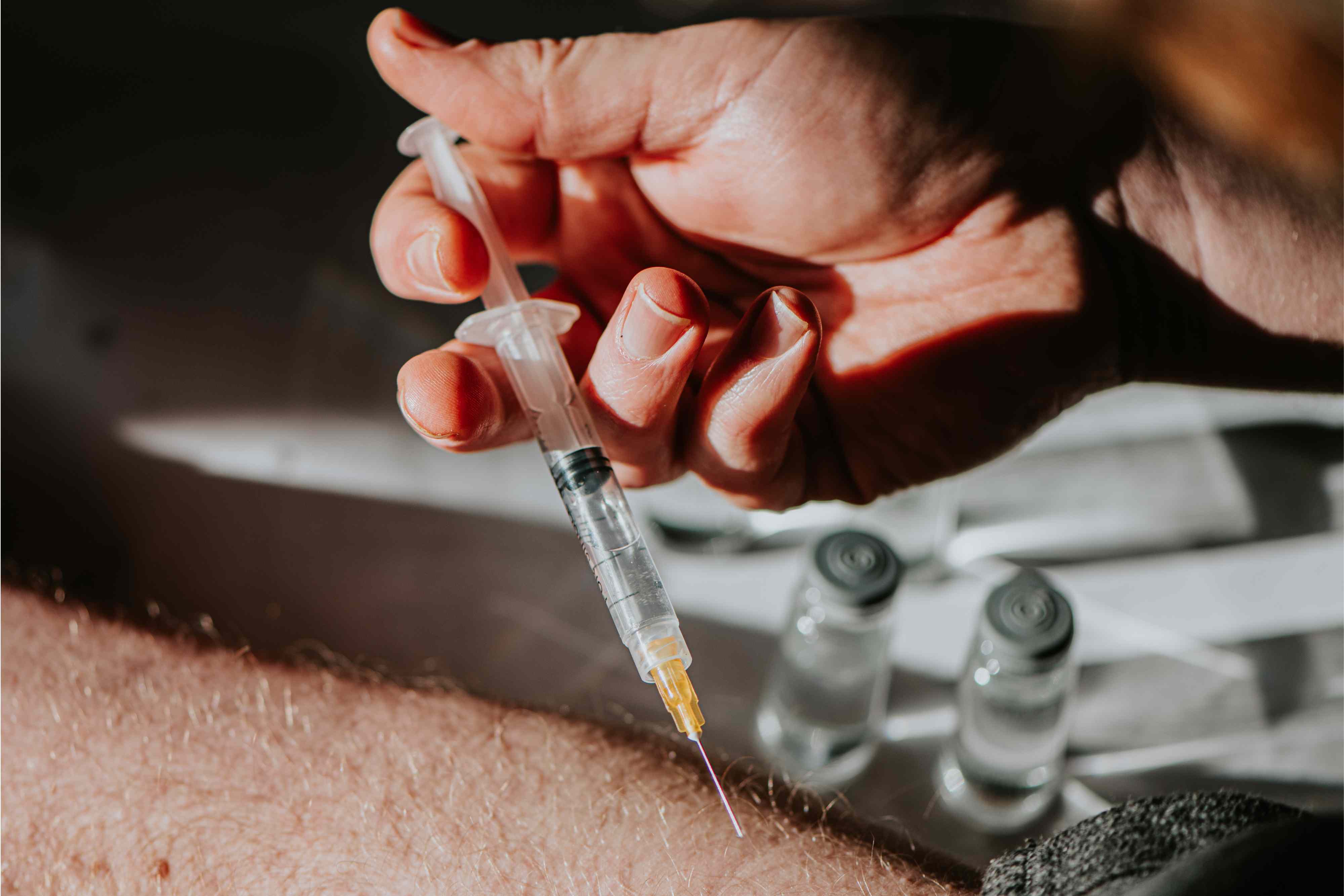
Six peptides just moved one step closer to expanded access.Credit: Catherine Falls Commercial / Getty Images
Fact checked by Nick Blackmer
An FDA advisory panel recommended that six investigational peptides be eligible for compounding, but the agency has not made a final decision.
The peptides are backed primarily by animal and cell studies, with limited high-quality evidence that they’re safe or effective in humans.
Experts say consumers should be cautious—compounded peptides are not FDA-approved, and more proven treatments may already be available.
Last week, an advisory panel for the Food and Drug Administration voted to ease restrictions on six peptides.
The Pharmacy Compounding Advisory Committee, a group of independent experts, recommended that the peptides BPC-157, KPV, TB-500, MOTs-C, epitalon, and semax be made available for compounding, which would allow certain pharmacies to legally prepare the medications for patients with a prescription. Only one peptide, emideltide, was rejected by the committee.
These medications, made of short chains of amino acids that naturally occur in the body, are currently unavailable to the public, but consumers have reportedly been accessing them through wellness clinics and online vendors under a “research use only” label.
Proponents on the panel said compounded peptides would be safer for consumers because compounding pharmacies are regulated by states and subject to FDA oversight. But the FDA has recommended against reclassifying any of the peptides, citing a lack of evidence on their efficacy and safety.
The FDA will ultimately have the final say on whether the peptides will be allowed for compounding, but in the meantime, here’s what you about each of the peptides under review, as well as what the committee’s decisions might mean for you.
What to Know About the Seven Peptides
Here’s what you about each of the seven peptides being reviewed by the FDA, including what they are, what they’re studied for, and where the research currently stands.
1. BCP-157
BPC-157 is an injectable peptide made from a protein found in human gastric juice. The FDA is reviewing the peptide for ulcerative colitis, a chronic inflammatory bowel disease, but it’s often marketed for muscle and tissue recovery. BPC-157 is one of the most popular peptides in bodybuilding, where it’s often promoted to speed recovery from injuries and intense training.
Preclinical studies (in animals and cells) have shown promise for BPC-157 to help with tendon, muscle, and gut healing, but there is very little data in humans.
“The absence of rigorous human trials means safety and efficacy remain unestablished,” said Sohaib Imtiaz, MD, a board-certified lifestyle medicine doctor and chief medical officer for the People Inc. Health Group.
2. KPV
KPV is created from a fragment of the α‑MSH hormone, which helps control inflammation. It’s being evaluated for wound healing and inflammatory conditions, and it’s typically administered as a pill, injection, or topical cream.
Animal studies have found that KPV may help reduce the severity of ulcerative colitis, and cell research suggests that the peptide could support skin healing. However, there have been no human trials, so the safety risks and effectiveness for patients are unknown.
3. TB-500
TB-500 is a synthetic peptide designed to mimic thymosin beta-4 (Tβ4), a naturally occurring protein that helps with tissue repair and inflammation control. The FDA is reviewing TB-500 for wound healing, but it’s often marketed for muscle and tissue recovery and is commonly taken as an injection with BPC-157 (known as the “Wolverine stack”).
Imtiaz said Tβ4 has been studied in humans—where it showed acceptable safety and the potential to accelerate wound healing—but the evidence for TB-500 itself is overwhelmingly preclinical. “It is important to distinguish between the full-length Tβ4 molecule and the commercially sold fragment,” Imtiaz said.
“Human safety and efficacy [of TB-500] remain unclear,” added Christine Bonarrigo, PharmD, a weight management clinical pharmacist at Tufts Medical Center.
4. MOTs-C
MOTs-C is an injectable peptide derived from mitochondrial DNA and is meant to mimic the effects of exercise. It’s being evaluated for the treatment of obesity and osteoporosis, but it’s mainly studied for metabolism support, insulin resistance, and slower aging.
The preclinical research for MOTs-C has been promising, Bonarrigo said. In mouse studies, the peptide helped prevent insulin resistance and obesity.
But the patient research is very limited. Imtiaz said human observational studies have found a link between lower MOTs-C levels and components of metabolic syndrome, like obesity and insulin resistance, but there have been no patient trials with the peptide.
5. Epitalon
Epitalon is an injectable peptide created from epithalamin, an extract of the pineal gland. The FDA is evaluating epitalon for insomnia, but it’s more commonly marketed for slower aging.
Advertisement
Preclinical studies and one human study suggest that epitalon may increase melatonin production, but the peptide has not been tested in humans for sleep outcomes specifically.
A 2025 preclinical study found that epitalon showed promise in lengthening telomeres—protective caps at the ends of chromosomes that are associated with aging—but it’s unclear whether that actually translates to better health or a longer life.
“There is no convincing evidence that [epitalon] slows aging or extends lifespan in humans,” Bonarrigo said.
6. Semax
Semax is a synthetic peptide derived from adrenocorticotropic hormone (ACTH), which helps manage your body’s stress response and metabolism. Semax is being evaluated for several brain conditions—cerebral ischemia, migraine, and trigeminal neuralgia—though it’s mostly marketed for cognitive enhancement. It has more human studies behind it than the other peptides, mainly out of Eastern Europe.
The peptide, typically administered as a nasal spray, has shown the most promise in humans for treating neurological conditions, particularly ischemic stroke, but there is no evidence for general cognitive enhancement. Bonarrigo also noted that larger, high-quality human trials are still lacking.
7. Emideltide
Emideltide is an injectable peptide derived from delta sleep-inducing peptide, a naturally occurring peptide that promotes delta-wave sleep, the deepest stage of non-REM sleep. Emideltide is mainly researched as a sleep aid, and the FDA is reviewing the peptide for opioid withdrawal and two sleep disorders: chronic insomnia and narcolepsy.
While emideltide is relatively well-researched, most of the studies are several decades old. A major 1992 study in humans found that the peptide did not help patients with chronic insomnia.
Based on those findings, emideltide was the one peptide that the advisory panel did not recommend for compounding.
What This Means For You
The FDA generally follows the decisions from advisory committees, but this review has been particularly controversial. The FDA recommended against all of the peptides, and several members of the panel have ties to peptide-related businesses and clinics.
If the FDA ultimately decides to reclassify the peptides, they will soon be available at compounding pharmacies.
Patients would still need a prescription for the medications, but it’s possible that telehealth platforms—which are already a common source of unapproved peptides—may make access easier. Research suggests that, at least for weight loss medications, some telehealth companies have offered prescriptions with minimal clinician oversight.
With greater government oversight, the compounded peptides will likely be safer than the current, unregulated formulas, Imtiaz said, but they are still not fully FDA-approved medications.
“Compounded products are not subject to the same manufacturing standards as FDA-approved drugs,” Imtiaz explained. “Potency failures, contamination, and preparation errors have been documented.”
Additionally, the evidence behind the peptides is still largely limited to preclinical data, meaning they haven’t yet been shown to be safe and effective in humans. In fact, around 90% of drugs that show promise in preclinical testing ultimately fail in human trials.
“Regulatory permission to compound these peptides could be interpreted by consumers as an endorsement of their safety and efficacy, despite the absence of clinical trial evidence for most of them,” Imtiaz said.
“The placebo effect is a real and significant mediator of perceived peptide efficacy,” Imtiaz added. “Social media amplifies the placebo effect and creates echo chambers of positive anecdotal reports.”
Even if the peptides are approved for compounding, without more high-quality data, experts said the risks of peptides still outweigh the potential benefits. They recommend consulting a healthcare provider to determine the most proven approach to achieve your health goals.
“Many peptides are generating excitement online, but the science is still catching up,” Bonarrigo said. “Patients should approach claims about these products with healthy skepticism until more robust clinical research is available.”
on Health
Source: “AOL Breaking”
