


Michael Sheen unleashes his inner folky, and more: Radio and podcasts of the week
Michael Sheen unleashes his inner folky, and more: Radio and podcasts of the week

Gerard O'DonovanTue, July 28, 2026 at 2:32 PM UTC
0
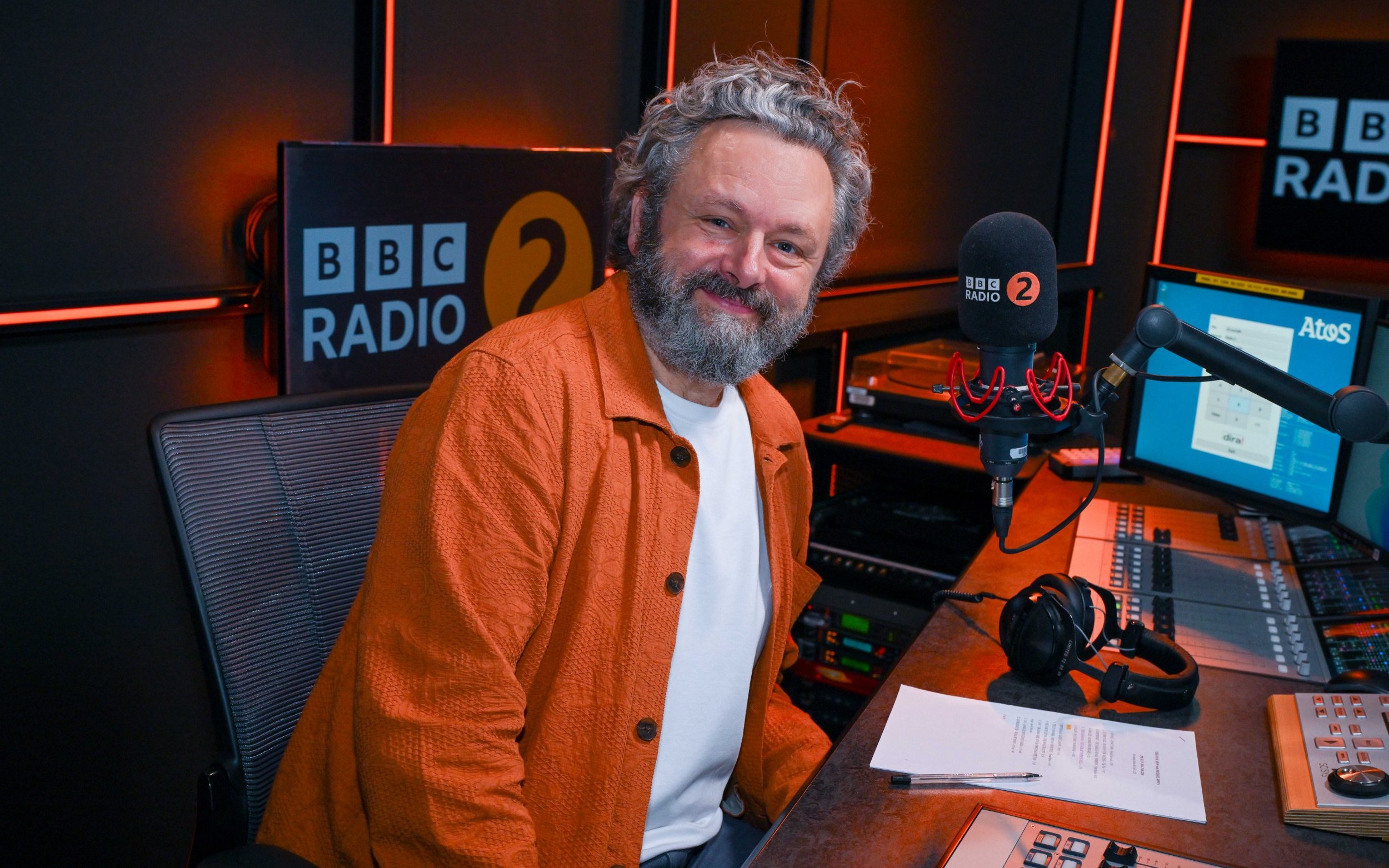
Michael Sheen presents The Folk Show on Radio 2 - BBCSaturday 25 July
BBC Proms: Horrible Science: The Big BangRadio 3, 2pmAnother packed week of Proms gets underway with a concert aimed at younger ears, from the BBC National Orchestra of Wales under the baton of Karen Ní Bhroin, harnessing the spirit of CBBC’s Horrible Science show to entertainingly introduce listeners to “scientifically proven bangers from the classical canon”. Later Proms Across the UK (4pm and 7.30pm)takes us north, first, to Gateshead with the BBC Singers and then on to Sunderland where the Royal Northern Sinfonia, with violinist Maria W&lstrokoszczowska and pianist Christian Ihle Hadland, perform Mendelssohn’s Concerto for Violin, Piano and Strings and Mozart’s Symphony No 39.
Archive on 4: The People’s Pool Radio 4, 8pmCrime novelist Denise Mina puts her pen aside temporarily to tell the story of Glasgow’s 150-year-old Govanhill Baths, from their birth as a major turning point in the development of Glasgow’s civic infrastructure, to the historic “battle of Calder Street” in 2001 when members of the local community chained themselves to the cubicles and maintained a 140-day occupation of the building – one of the longest in British history – after Glasgow City Council announced it was closing the baths’ doors for good.
Sunday 26 July
Desert Island DiscsRadio 4, 10amCinematographer Roger Deakins, the all-seeing eye behind countless film classics including The Shawshank Redemption, No Country for Old Men and Skyfall, is this week’s castaway; a man who’s worked with many of the most famous people on the planet, and with plenty of entertaining stories to tell. At the other end of the glamour scale, in Currently: Troubled Town (Radio 4, 1.30pm) Johnny I’Anson reports from Greater Manchester on the seemingly unstoppable wave of anti-social behaviour that’s blighting the lives of residents and businesses in towns such as Wigan, Leigh and Makerfield.
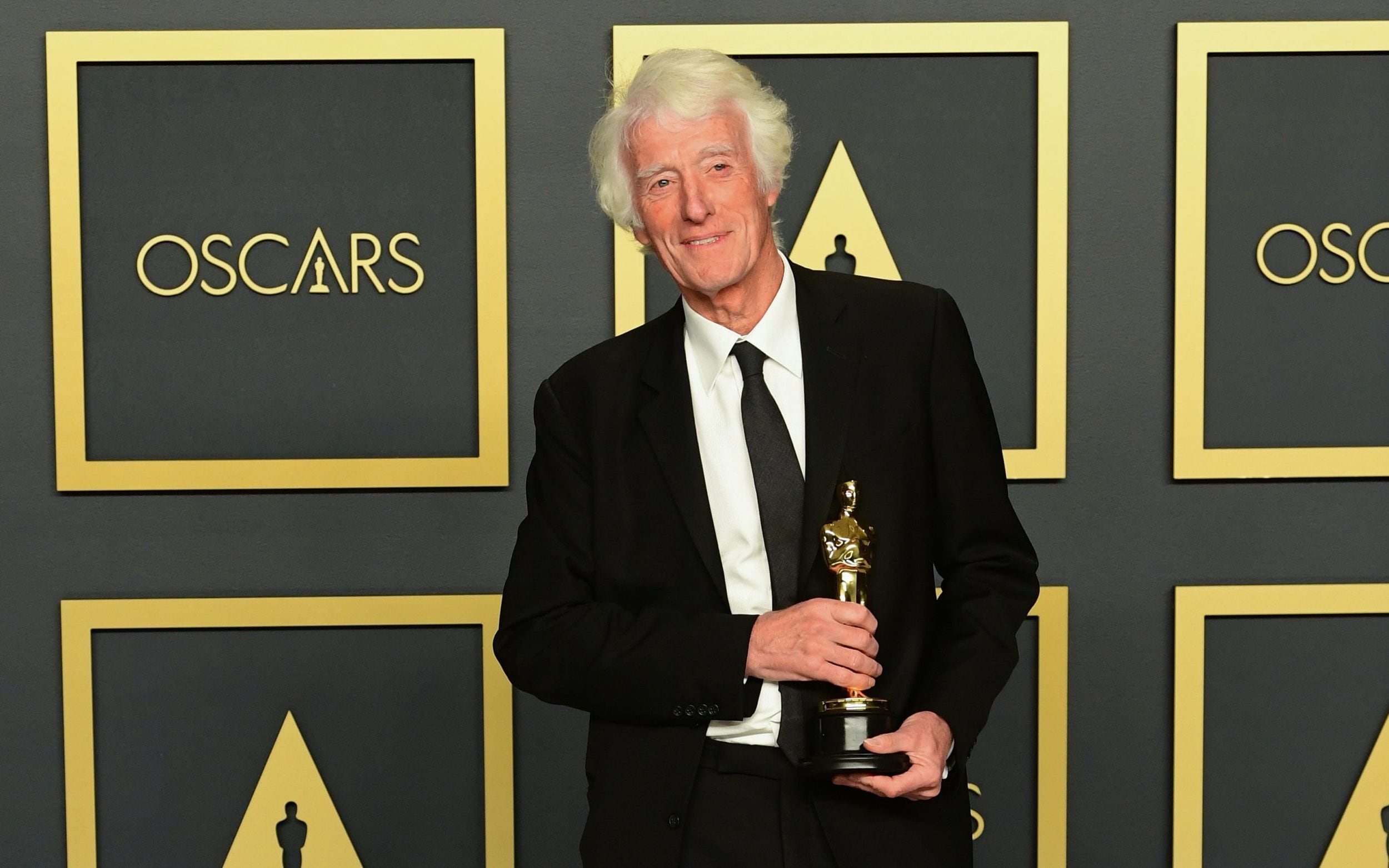
British cinematographer Roger Deakins is this week’s castaway - AFP
Trouble in MindRadio 4, 3pmFirst staged in the 1950s, as America’s civil rights movement was on the rise, Alice Childress’s play about racism and sexism at the heart of American theatre still has incisive power and relevance. Adapted here in two parts (continuing next Sunday) for Radio 4’s season celebrating the US Declaration of Independence, the audio-only format means distinguishing between characters/cast members via dialogue alone adds an interesting – and rewarding – layer of complexity for the listener. As ever, John Yorke’s insightful Opening Lines (Radio 4, 2.45pm), beforehand, provides all the context you could want.
Monday 27 July
History’s Greatest Leaders with Mike SoutarMondays, all major platformsIn his engaging new podcast, entrepreneur Mike Soutar, a familiar face from appearances on The Apprentice, sits down with distinguished historians to talk about individuals who changed the world – from Catherine the Great and Genghis Khan to Walt Disney and Zenobia – and what today’s business (and other) leaders can learn from them. In the opening edition he put Elizabeth I under the microscope with Tracy Borman; this week he explores the contradictions at the heart of Winston Churchill’s leadership style with the help of Second World War specialist Taylor Downing.
How Did We Get Here: No World Order Radio 4, 9.30amAfter an epic series untangling the intricacies of the ongoing Israel-Palestine conflict, Tristan Redman returns with another engrossing theme – the collapse of the so-called international rules-based order, the effort by Western governments to police global relations via institutions like the UN and the International Court of Justice. In this opener, veteran foreign correspondents Lindsey Hilsum and Allan Little offer fascinating insights into the long-term impact of failed interventions made by the US, the UK and the UN in the decade before Putin came to power.
Tuesday 28 July
The History Podcast: Invisible Hands - The American CenturyRadio 4, 9amDavid Dimbleby returns with a second series of his economics-focused podcast, this time looking at how, in the 20th century and out of the ashes of the Second World War, America established its role as a superpower. At the centre of a fascinating opening episode is Harry Dexter White, the visionary who made the US dollar the world’s most important currency, only to be accused of being a Soviet spy.
Advertisement
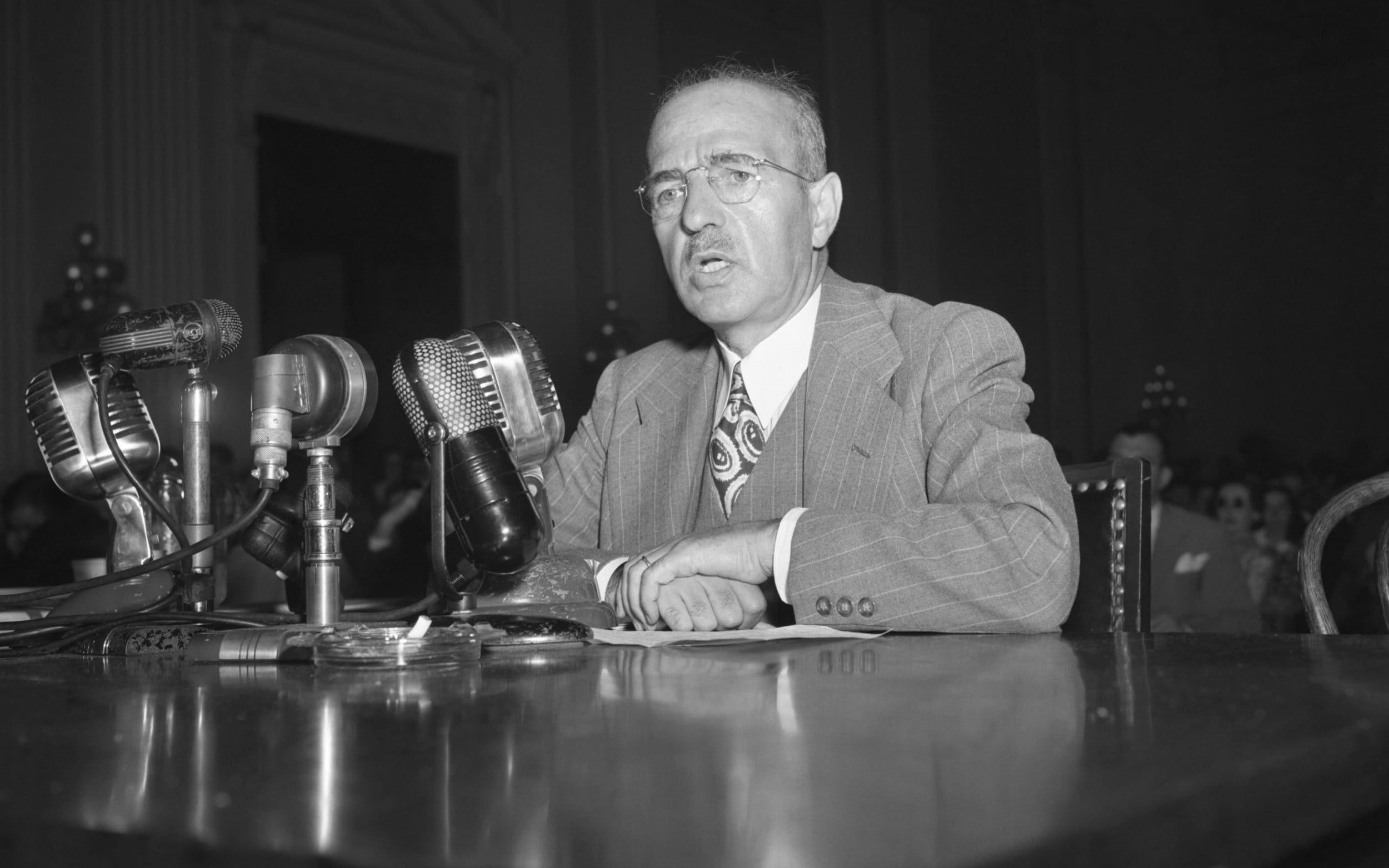
David Dimbleby explores the fascinating life of Harry Dexter White - Bettmann/Getty
Floor 15Radio 4, 8pmThe 15th floor of Guy’s Hospital in London is at the forefront of medical science. Upwards of 70 active research projects and clinical trials are ongoing, with terminally ill patients taking part in the hope that new therapies might help them live longer or advance medical science. BBC medical editor Fergus Walsh tells the stories of four cancer patients, tracking their experiences over 12 months and giving an unprecedented insight into groundbreaking treatments that offer a last hope for survival.
Wednesday 29 July
RGS Presents: The Future of Exploration, with Tim MarshallYouTube, 7pm; catch up on all major platformsAn opportunity to join live and for free, via the society’s YouTube channel (and, shortly after, on all major podcast platforms), this Royal Geographical Society event looking at the frontiers of modern exploration. Host Matt Pycroft’s guest is Tim Marshall, author of the phenomenally successful Prisoners of Geography, whose work reveals how geography shapes politics, power, and history. Here, their attention turns heavenwards, with a focus on the emerging geopolitics of space and the race to expand humanity’s influence beyond our planet.
The Folk Showwith Michael SheenRadio 2, 9pmSitting in for Mark Radcliffe this week is none other than actor, force of nature and all-round informal Welsh ambassador to the world, Michael Sheen. A long-time fan of the show, he shares his love of folk and acoustic music ranging from tracks by South Wales folk-rock collective MWSOG, a formative favourite from Jethro Tull and contemporary folk trailblazers Kate Rusby and The Unthanks, among others.
Thursday 30 July
Natalie Haynes Stands Up for the ClassicsRadio 4, 9amThe classicist turned stand-up returns with a 12th series of entertainingly informative live sets about what the classical world can tell us about today. In this opener she turns her attention – with the help of Prof Islam Issa of Birmingham City University and Dr Adam Rutherford of UCL – to the scientific importance of the ancient Egyptian port city of Alexandria, a place of legendary learning (thanks to its wonder-of-the-world library) that bought us everything from weather forecasting to the world’s first keyboard instrument.
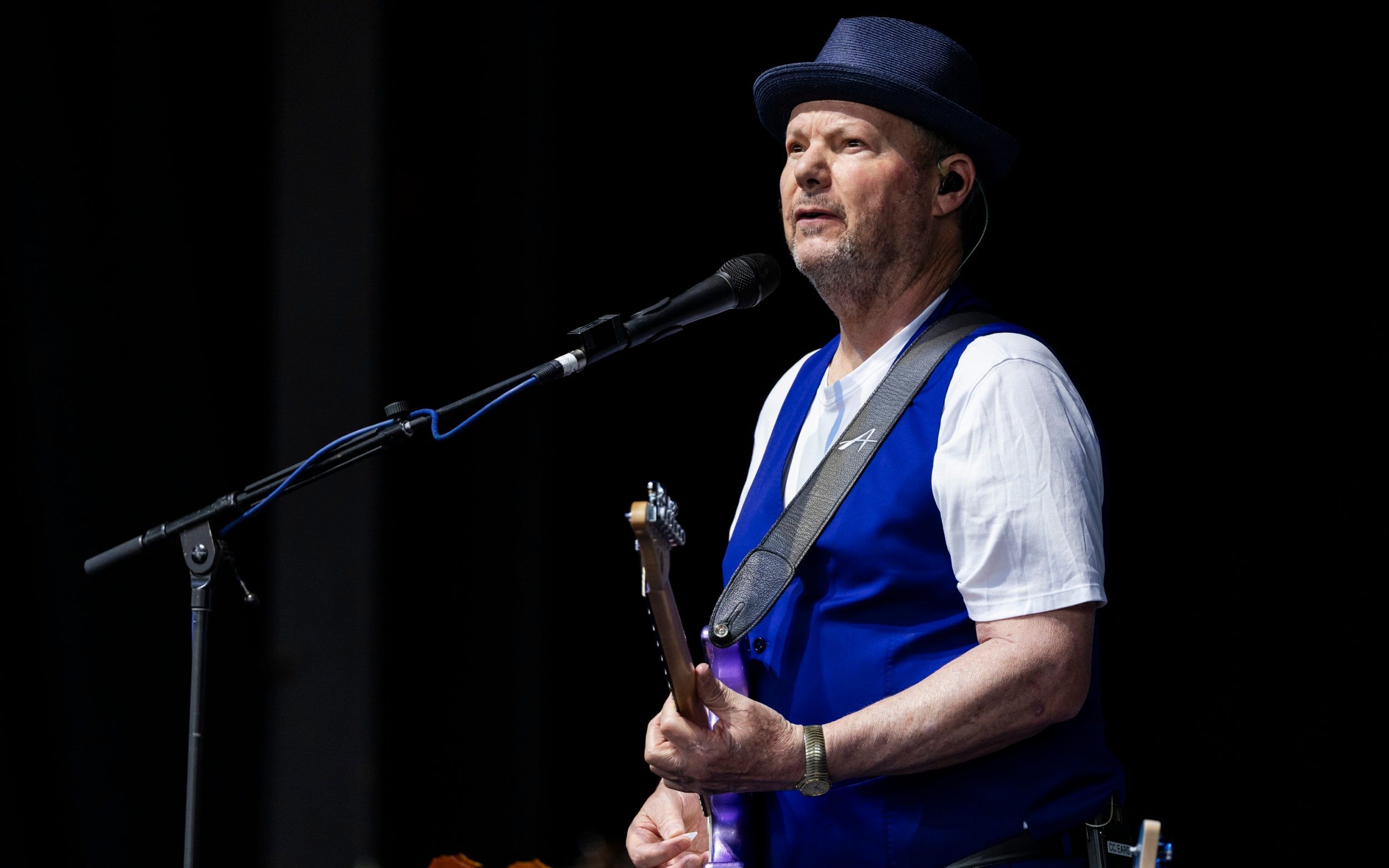
Vernon Kay welcomes Christopher Cross to the Piano Room - Getty
Vernon Kay: Piano Room Special Radio 2, 9.30amOne for fans of Eighties nostalgia, a one-off Piano Room special whisks us away to visions of the sunny, surf-fringed beaches of America’s west coast with a live performance (at around 11.25pm) by Christopher Cross, whose “yacht rock” classics Sailing and Ride Like the Wind conquered the world’s airwaves at the turn of the 1980s. Performing an acoustic set here with the BBC Concert Orchestra, Cross also sits down with host Vernon Kay for a chat beforehand.
Friday 31 July
The Rest is Politics: When Nature Becomes a Security ThreatFridays, all major platformsIn a new four-part The Rest is Politics offshoot podcast, Caroline Lucas, former Green Party leader and MP, explores the impact that climate change is having on national security. Based on the findings of a suppressed report compiled by the UK’s Joint Intelligence Committee, warning that ecosystem collapse must be treated as a core security threat, Lucas talks to leading voices from security, diplomacy, and geopolitics to assess the threats involved. This week’s focus is on the political consequences of water scarcity, and a worrying case study detailing the surging impact of AI data centres on water demand.
6 Music’s Indie Forever: Is This ItRadio 6 Music, 9pmRadio 6 Music’s new BBC Sounds extension launched last Wednesday, a 24-hour stream dedicated solely to indie music from the 1980s on, with UK artists making up 70 per cent of the playlist. Drawing on 40 years of BBC coverage, Indie Forever streams themed playlists and daily features like Morning Session (Mon-Fri, 10am) in which Steve Lamacq and Maccabees star Felix White explore the moments, movements, scenes, genres and labels that define UK indie music’s history. There are specials too, like today’s two-hour celebration of 25 years of The Strokes’ seminal album Is This It.
Source: “AOL Entertainment”
