


Tesla manager says self-driving vehicle team was so overworked that cars were ‘rolling hazards on public streets,’ lawsuit reveals
Tesla manager says self-driving vehicle team was so overworked that cars were ‘rolling hazards on public streets,’ lawsuit reveals

Justin RohrlichTue, July 28, 2026 at 12:06 PM UTC
2
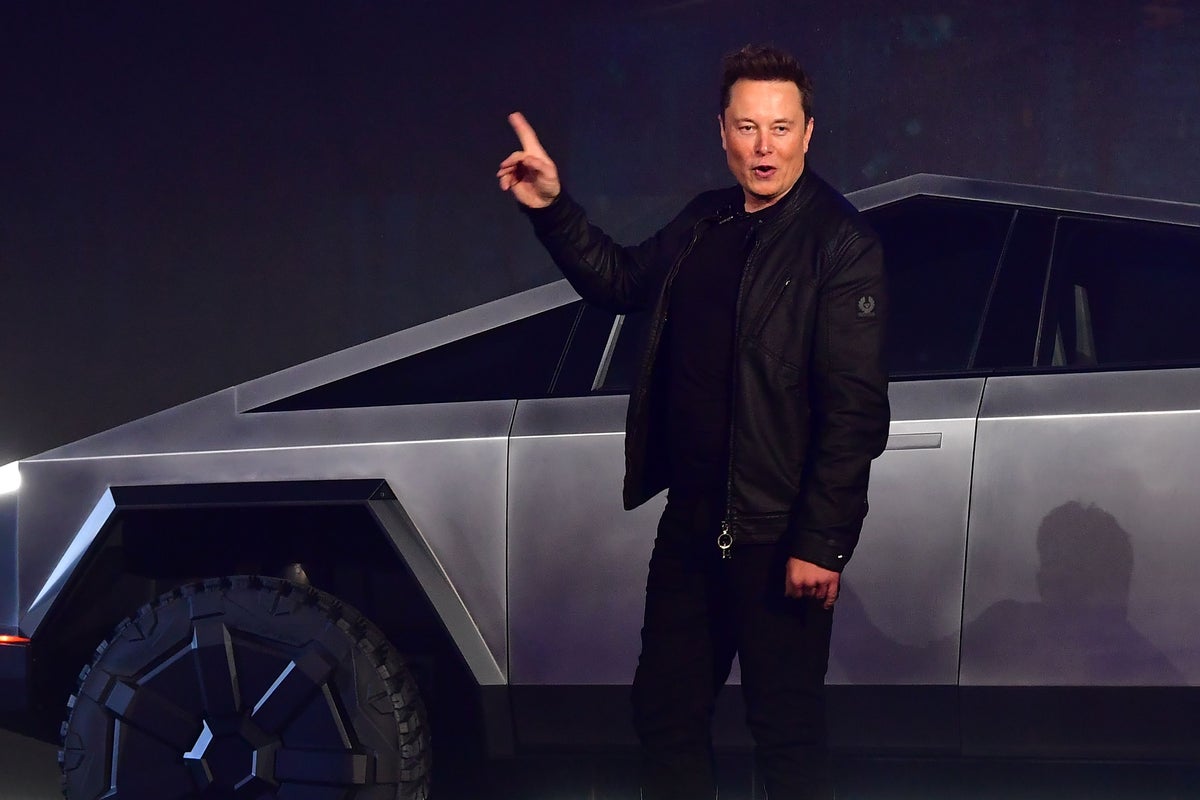
A former Tesla manager is suing the company over alleged self-driving shortcomings he claims could put the motoring public in danger (AFP via Getty Images)
A Tesla manager was fired after blowing the whistle on “severe, systemic safety oversight defects” that allegedly turned the company’s much-hyped autonomous vehicles into round-the-clock “rolling hazards,” according to a federal lawsuit reviewed by The Independent.
Javier Medrano, 32, oversaw real-world Full Self-Driving testing operations for a fleet of Teslas being trialled in Houston, Texas. He accuses the electric carmaker of making local thoroughfares “highly dangerous” by more than doubling the number of vehicles and test drivers he was tasked with overseeing, all by himself.
“In autonomous vehicle testing on public roadways, remote fleet managers act as the critical human safety redundancy to manage hazards, emergencies, and post-collision protocols,” Medrano’s complaint states.
Yet, it argues, by “aggressively” increasing its test-vehicle fleet and team of operators from 15 to 38, and running the cars continually across three-shifts, 24 hours a day, while leaving Medrano responsible for each one, Tesla foisted a “dangerous 38:1 operator-to-manager ratio” on Medrano in violation of its own “mandated 15:1 safety baseline.”
That critical mismatch, according to the complaint, helped turn Tesla’s autonomous test fleet “into rolling hazards on public streets" – a situation worsened by unverified self-driving software and exhausted personnel, who were expected to work an average of 60 to 80 hours a week, remaining on-call during weekends.
“I’m… trying not to lose my absolute mind, from not sleeping or eating correctly and doing everything I need to do to actually meet the expectations,” Medrano at one point emailed his boss.
A month later, Medrano followed up, pleading for Tesla to hire an additional team lead and to allow him a week or two as a “physical/mental break,” writing, “This is officially my S.O.S signal.”
When a collision did occur, Medrano maintains the botched response was not his fault, but rather, “the direct, predictable symptom of [Tesla’s] intentionally defective public-road safety protocols and extreme understaffing.”
“It almost feels like these big corporations can get away with anything, and people just kind of put their heads down and say, ‘Well, this is how it is,’” Medrano told The Independent. “And it breeds an environment where people don’t say, ‘This is not okay.’”
He said he asked higher-ups to “please help me out,” but that “nothing happened.”
“I was really trying to let them know how serious this was,” he said. “But there was no sense of urgency. It’s baffling to me how this went on so long. In other cities, they had multiple leads per shift. I was the only one who didn’t have that luxury... Our job is to make sure these cars are safe on the road.”
Tesla did not respond to a request for comment.
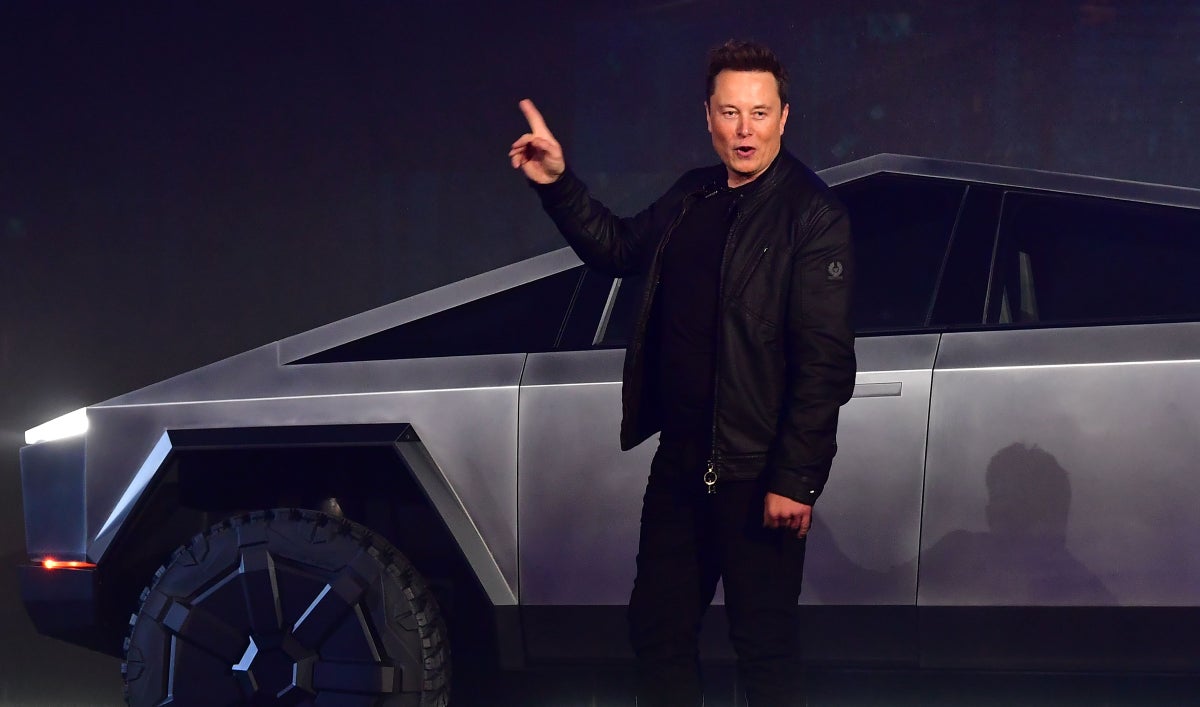
Tesla, the electric carmaker run by the world's wealthiest person, Elon Musk, prioritized production over safety, according to a whistleblower who is now suing over related concerns (AFP via Getty Images)
Medrano began working for Tesla in October 2023, he said. Eight months later, Medrano became the the “sole operational manager of [Tesla’s] Houston FSD testing market,” according to his complaint, which he self-filed July 27 in Houston federal court.
The so-called critical-intervention operators on the Tesla’s Rodeo Team sit behind the wheel of the vehicles and allow the carmaker’s self-driving software – which regulators say was released before it was perfected, at the behest of CEO Elon Musk, who calls the technology a potential lifesaver – to explore the limits of its abilities, ready to step in and correct the vehicle if it makes a mistake. They are reportedly trained to delay intervening until the last possible second, which gives Tesla more data to work with but could prove dangerous to others on the road, according to experts cited by Business Insider.
In late May 2024, Tesla’s Autopilot director sent a message to managers on the company’s internal chat platform that Medrano’s complaint says “established the operational baseline metric” for supervising FSD test-drivers, saying he wanted a ratio “of around 1 lead to 15 drivers.”
However, a few months later, the Autopilot director “forced a progressive hiring ramp-up, actively scaling the Houston market up to 38 vehicle operators testing FSD technology on public roadways across a 24-hour daily testing cycle encompassing three continuous shifts (AM, PM, and Graveyard),” the complaint states. “[Medrano] was left to manage this alone, far exceeding the mandated 15:1 safety baseline.”
Advertisement
For Full Self-Driving testing, Tesla requires a manager – in this instance, Medrano – to actively audit driving footage captured by the system’s onboard cameras, conduct weekly ride-alongs, and follow up on any safety incidents that occur, according to the complaint.
With no one but Medrano to do it all, much of it didn’t get done, the complaint goes on. In February 2025, Medrano told the Autopilot director that the rapid ramp-up without any additional managers being onboarded had “caused a breakdown in safety oversight and extreme exhaustion.” In response, the Autopilot director allegedly ignored Medrano’s entreaties and issued him an ultimatum: that his last 2.5 performance rating (out of 5) was unacceptable, and he would be placed on a Performance Improvement Plan if he got another low score.
Former Tesla manager Javier Medrano hopes his lawsuit will help others feel empowered to speak up, he told The Independent (Getty Images)
As March 2025 came to an end, Medrano submitted a formal request for a vacation, telling the Autopilot director that his physical and mental health depended on it.
“It never seems like the right time to ask, given the amount of pressure I've been under lately,” Medrano wrote in his request. “I was hoping by now we would have another Lead. LMK how soon I could take some time off. I'm needing at least a week... This is officially my S.O.S signal."
Days later, on March 30, 2025, one of the autonomous vehicles in the fleet under Medrano’s responsibility was involved in a crash with a member of the driving public, according to the complaint.
Following Tesla’s regulations, the test driver operating the car placed an emergency call to Medrano, the lone manager sitting atop the 38-person FSD fleet, at 2:05 a.m., the complaint continues.
“Due to the severe biological exhaustion [Medrano] had formally escalated days prior, [he] processed the phone call while physically asleep,” the complaint states. “Because [Medrano] was in a state of sleep-deprived cognitive incapacitation, he provided unsafe guidance to the operator – including laughing, which the operator later reported as sounding surprisingly ‘chill’ and nonchalant.”
This, the complaint contends, “inadvertently resulted in the operator remaining at the unsafe scene for an hour where she was approached by an allegedly impaired third party. This compromised emergency response was not a willful managerial error or negligence by [Medrano]; it was the direct, predictable symptom of [Tesla’s] intentionally defective public-road safety protocols and extreme understaffing.”
The next day, Medrano went to HR and said he had “no recollection” of the call, and later emailed the department about the “ongoing extreme motor vehicle local safety oversight hazard on Houston public roads,” saying the “severe understaffing appeared contrary to the Code of Business Ethics commitment to 'A Safe Place to Work,' where safety should not be compromised for production.”
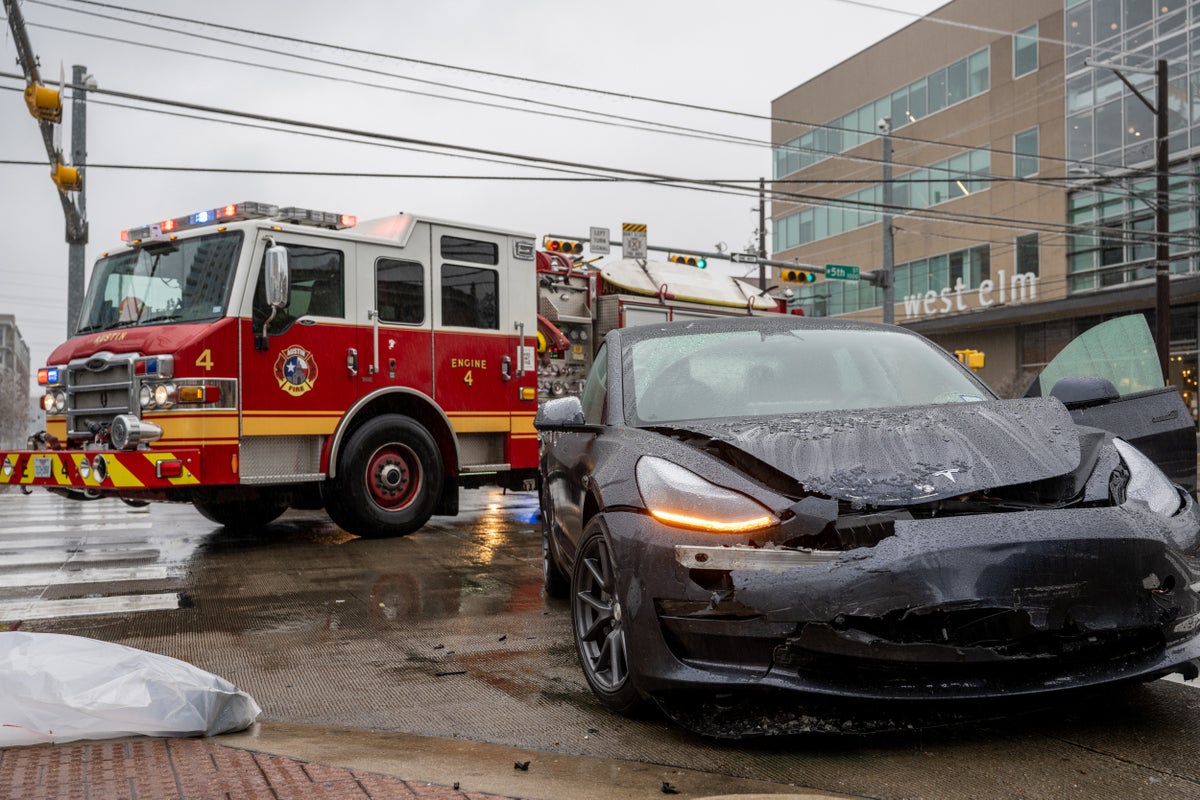
Whistleblower Javier Medrano, a former Tesla manager, is worried that self-driving software could be getting released publicly before it has been fully perfected (Getty Images)
One HR rep told Medrano to simply put his phone into “Do Not Disturb” mode during active testing shifts if he did not want to be bothered, according to the complaint.
It says other cities with Rodeo Teams had more than one safety lead, and Medrano continued escalating his concerns. In April 2025, one of Medrano’s subordinates – someone he had been advocating for to be promoted – was elevated to Medrano’s position, the complaint states. On May 1, 2025, Medrano was fired.
“Our decision here is final,” the Autopilot director told Medrano, condemning him for not having delegated better, according to the complaint.
Still, as Medrano told The Independent, “I didn’t have anybody to delegate to.”
Two additional team leads from Dallas were flown to Houston to help Medrano’s former underling, and a promised stock award that Medrano had been waiting for, was stripped from him a week before it was set to vest, the complaint states.
Medrano is now working for a competing electric car company, and said he is “doing okay.” In April, Tesla launched its driverless Robotaxi service in Houston.
Among other things, Medrano is now asking a judge to order his reinstatement; back pay, front pay, and lost benefits; restitution for the canceled stock award; compensatory damages for emotional distress, familial strain, and severe financial distress; and punitive damages; plus attorneys’ fees and court costs.
An initial pretrial conference is scheduled for November 19.
Source: “AOL Breaking”
